
plane spotting guide
Plane spotting is a captivating hobby, accessible to all who admire aircraft! This guide unveils the basics, from simple observation to detailed photography,
perfect for beginners eager to explore the world of aviation․
What is Plane Spotting?
Plane spotting, at its core, is the hobby of observing aircraft – identifying their types, airlines, and often, their registration numbers․ It’s a pursuit enjoyed by enthusiasts of all ages and backgrounds, driven by a shared fascination with aviation․ Some spotters simply enjoy watching planes take off and land, while others delve into detailed record-keeping and photography․
The activity can range from casual observation near airports to dedicated trips to prime spotting locations․ It’s about appreciating the engineering marvels that connect our world and the stories they carry․ It’s a welcoming community!
Why is Plane Spotting a Popular Hobby?
Plane spotting appeals to a wide range of interests! For some, it’s the thrill of identifying different aircraft types and tracking their journeys․ Others enjoy the photographic challenge of capturing stunning images of planes in flight․ The hobby fosters a sense of community, with enthusiasts sharing knowledge and experiences online and at spotting locations․
It’s also a relatively accessible hobby, requiring minimal initial investment․ The increasing availability of flight tracking resources adds another layer of engagement, making it even more captivating․
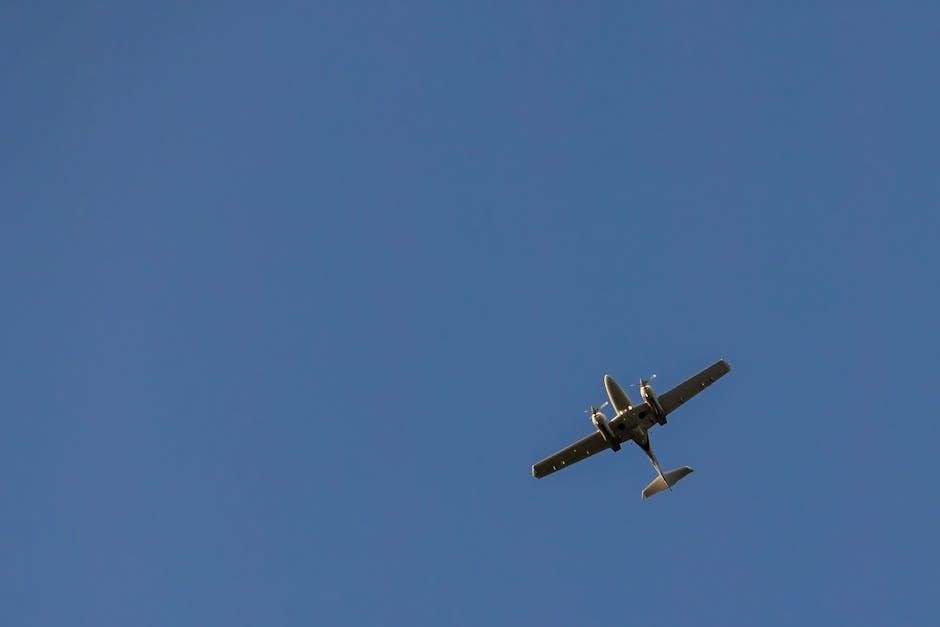
Essential Equipment for Beginners
Starting plane spotting doesn’t require expensive gear! Binoculars, a camera (even a smartphone), a notebook, and pen are excellent initial tools for aspiring spotters․
Binoculars: Choosing the Right Magnification
Selecting binoculars for plane spotting involves balancing magnification with stability․ While higher magnification might seem appealing, it can make tracking aircraft difficult․ Experts recommend starting with 8x magnification, offering a good balance between detail and ease of use․
Higher magnifications, like 10x, require a steadier hand or a tripod․ Beyond 8x-10x, image shake becomes more pronounced, hindering clear observation․ Consider the field of view too – a wider field helps locate and follow planes quickly․ Prioritize quality optics for sharp, bright images, enhancing your spotting experience significantly․
Cameras: From Smartphones to DSLRs
Starting with a smartphone is perfectly acceptable for plane spotting photography! Modern smartphones offer surprisingly good image quality for casual shots․ However, for more detailed images, a dedicated camera is beneficial․ Bridge cameras provide a good middle ground, offering zoom capabilities without the complexity of interchangeable lenses․
DSLRs and mirrorless cameras offer the highest image quality and versatility, but require more investment and learning․ A telephoto lens is crucial for capturing distant aircraft․ Consider factors like sensor size, image stabilization, and burst shooting mode when choosing a camera․
Spotting Scope: For Detailed Observation
A spotting scope bridges the gap between binoculars and powerful telescopes, offering exceptional magnification for aircraft identification․ Ideal for discerning fine details like airline logos and aircraft registrations, spotting scopes excel at long distances․ When selecting a scope, consider magnification power, objective lens diameter, and image quality․
Lower magnification (around 20x-30x) is easier to stabilize, while higher magnification (50x+) requires a sturdy tripod․ Waterproofing is a plus for varied weather conditions․ Spotting scopes truly elevate the plane spotting experience!
Notebook and Pen: Recording Your Observations
Don’t underestimate the power of a simple notebook and pen! Detailed record-keeping transforms casual observation into a fulfilling hobby․ Jot down aircraft types, airline codes, registration numbers, dates, times, and locations․ Note unique liveries or special schemes․ This data builds a personal plane spotting logbook, tracking your progress and discoveries;
Organized notes are invaluable for identifying patterns, revisiting favorite sightings, and sharing experiences with fellow enthusiasts․ It’s a tangible connection to the aviation world, beyond just fleeting glimpses․

Understanding Aircraft Identification
Accurate identification is key! Learn airline codes, aircraft types (Boeing, Airbus), and utilize online resources like Flightradar24 and FlightAware to decode each flight․
Airline Codes and Aircraft Types
Mastering airline codes and aircraft types forms the foundation of successful plane spotting․ Two-letter codes, like “UA” for United Airlines or “DL” for Delta, quickly identify the operator․ Simultaneously, recognizing aircraft types – Boeing 737, Airbus A320, or Embraer E175, for example – adds another layer of detail․
Understanding these distinctions allows for rapid identification, even at a distance․ Websites and spotting guides provide comprehensive lists of both airline codes and aircraft models․ Learning to differentiate between a Boeing 777 and an Airbus A380, or a 737-800 versus a 737 MAX, enhances the enjoyment and accuracy of your observations․
Recognizing Common Aircraft Models (Boeing, Airbus, etc․)
Distinguishing between Boeing and Airbus models is crucial for plane spotters․ Boeing’s 737 series, with its distinctive flattened engine nacelles, is incredibly common․ Airbus A320 family aircraft feature a smoother, more rounded appearance․ Larger aircraft like the Boeing 777, identifiable by its large engines, and the Airbus A380, the world’s largest passenger plane, are also frequently spotted․
Pay attention to wing shape, engine placement, and fuselage length․ Familiarizing yourself with these visual cues, alongside online resources, will quickly improve your aircraft identification skills and enhance your spotting experience․
Using Online Flight Tracking Resources (Flightradar24, FlightAware)
Websites like Flightradar24 and FlightAware are invaluable tools for plane spotters․ These platforms display real-time aircraft positions, flight paths, altitudes, and speeds․ You can identify aircraft types, airline operators, and even view historical flight data․ Utilizing these resources allows you to predict arrivals and departures, maximizing your spotting opportunities․
Filter searches by airline, aircraft type, or specific routes to focus your observations․ Understanding how to interpret the data presented will significantly enhance your plane spotting adventures and knowledge․

Best Locations for Plane Spotting
Optimal spotting locations include airports with viewing areas, runway approaches, and airshows offering concentrated activity․ Anchorage is renowned, providing diverse aircraft viewing opportunities for enthusiasts!
Airports: Finding Designated Viewing Areas
Many airports proactively cater to plane spotters by establishing dedicated viewing areas․ These spaces often provide unobstructed views of runways and taxiways, enhancing the spotting experience․ Before visiting, consult the airport’s website or contact airport authorities to locate these designated spots and understand any associated rules or restrictions․
Some airports feature observation parks or visitor centers with excellent vantage points․ Always prioritize safety and adhere to all posted guidelines․ Remember to respect airport property and maintain a safe distance from operational areas․ Utilizing these designated areas ensures a secure and enjoyable plane spotting adventure for everyone involved․
Runway Approaches and Departures
Observing runway approaches and departures offers dynamic spotting opportunities․ Aircraft exhibit varied maneuvers during these phases, providing captivating visuals․ Understanding wind direction is crucial, as it dictates which runways are in use, influencing your positioning․ Utilize flight tracking apps to predict incoming and outgoing flights, maximizing your chances of spotting desired aircraft․
Pay attention to the angle of approach and departure paths, adjusting your location accordingly․ Capture stunning images as planes lift off or gracefully descend․ Remember safety first – maintain a respectful distance and avoid obstructing airport operations while enjoying these thrilling moments․
Airshows: A Concentrated Spotting Opportunity
Airshows present an unparalleled concentration of aircraft, making them prime locations for plane spotters․ Witnessing aerial demonstrations and static displays offers unique photographic and observational chances․ These events often feature rare or vintage aircraft not commonly seen at commercial airports, enhancing the spotting experience․
However, airshows typically involve restricted access and designated viewing areas․ Respect these boundaries and follow event guidelines․ Plan your visit, considering show schedules and aircraft positioning for optimal viewing and photography․ Prepare for crowds and potential limitations on equipment․
Popular Spotting Locations Worldwide (Anchorage, etc․)
Certain locations globally are renowned for exceptional plane spotting opportunities․ Anchorage, Alaska, stands out due to its frequent international cargo traffic and diverse aircraft visiting for refueling․ Other hotspots include Amsterdam Schiphol Airport, known for its excellent viewing facilities, and Los Angeles International Airport, offering a wide variety of airlines․
Researching local spotting communities and online forums can reveal hidden gems and optimal vantage points․ Consider factors like runway orientation, accessibility, and potential obstructions when selecting a location․ Always prioritize safety and respect local regulations․
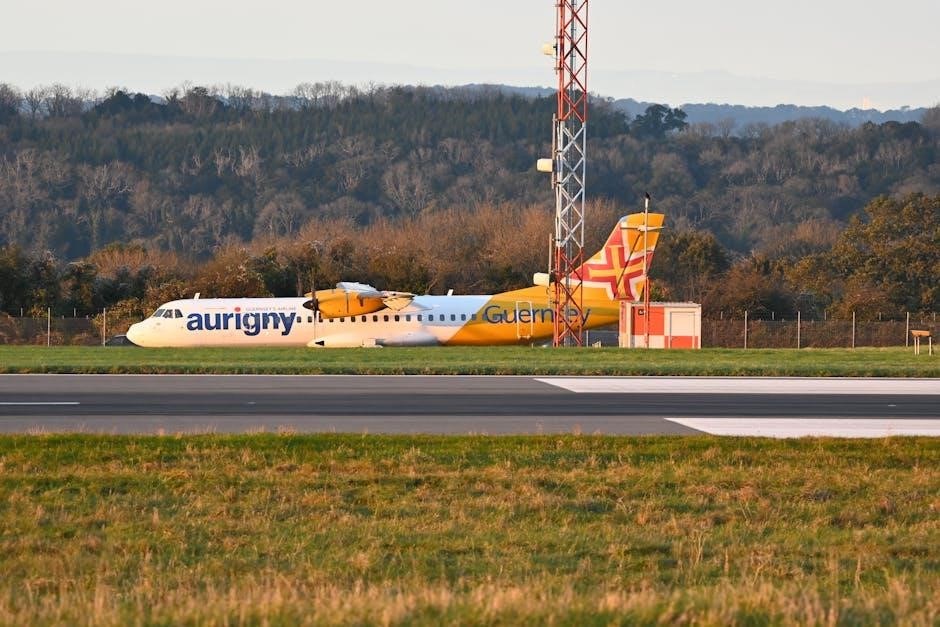
Safety Considerations for Plane Spotters
Prioritize safety by respecting airport boundaries, maintaining distance from runways, and staying aware of surroundings․ Weather impacts visibility; always be cautious and informed!
Respecting Airport Property and Regulations
Always adhere to airport rules and designated spotting areas; never trespass on restricted zones․ Understand that airports are operational environments, and unauthorized access is both dangerous and illegal․ Be mindful of signage and instructions from airport personnel․
Respecting property ensures the safety of yourself and airport operations․ Avoid obstructing roadways or interfering with airport activities․ Familiarize yourself with local regulations regarding photography and access․
Remember, responsible spotting contributes to a positive relationship between enthusiasts and the aviation community, preserving access for everyone involved․ Prioritize compliance and common sense․
Maintaining a Safe Distance from Runways
Runways are active and potentially hazardous areas; maintaining a significant distance is paramount for safety․ Never approach or cross runway barriers, fences, or restricted zones․ Aircraft require ample space for takeoff and landing, and proximity can interfere with operations․
Always observe from designated viewing areas, providing a safe buffer zone․ Be aware of blast fences, designed to protect spotters from engine exhaust․
Prioritize your well-being and the safety of flight crews by respecting runway boundaries․ A safe distance ensures clear visibility without compromising airport security or operational efficiency․
Being Aware of Your Surroundings
Plane spotting demands constant vigilance regarding your environment․ Airports are dynamic spaces with moving vehicles, personnel, and aircraft․ Pay attention to signage, warnings, and instructions from airport authorities․ Be mindful of other spotters and avoid obstructing their views or access․
Scan for potential hazards like uneven terrain, wildlife, or construction zones․
Maintain situational awareness to react swiftly to changing conditions․ A proactive approach to surroundings enhances safety and ensures a responsible spotting experience for everyone involved․
Weather Conditions and Visibility
Successful plane spotting heavily relies on favorable weather․ Clear skies and good visibility are paramount for optimal viewing and photography․ However, conditions can change rapidly, so check forecasts before heading out․ Fog, rain, snow, and haze significantly reduce visibility and can impact spotting quality․
Strong winds can affect aircraft approaches and departures․
Always prioritize safety; inclement weather may necessitate postponing your spotting session․ Dress appropriately for the conditions and protect your equipment from the elements․

Advanced Plane Spotting Techniques
Elevate your hobby with photography tips, detailed logbooks, and radio scanners to listen to air traffic control—unlocking a deeper aviation experience!
Photography Tips: Capturing the Perfect Shot
To truly capture stunning aircraft images, mastering a few photography techniques is essential․ Utilize a fast shutter speed to freeze the motion of planes, especially during takeoff and landing․ A narrow aperture (higher f-number) ensures sharpness throughout the frame․
Experiment with different focal lengths; zoom lenses offer versatility․ Pay attention to lighting – golden hour (shortly after sunrise or before sunset) provides beautiful, warm tones․
Consider using burst mode to increase your chances of getting a perfectly timed shot․ Post-processing software can enhance colors and sharpness, but avoid over-editing․ Practice and patience are key to achieving professional-looking results!
Logbooks and Databases: Organizing Your Spotting Data
Maintaining a detailed record of your sightings elevates plane spotting from a casual hobby to a dedicated pursuit․ Traditional logbooks allow for handwritten entries, fostering a personal connection to each observation․ However, digital databases like SpottingLog offer powerful organizational tools․
These platforms enable you to catalog aircraft by registration, airline, date, location, and even upload accompanying photographs․
Efficient data management facilitates tracking specific aircraft types, identifying patterns, and sharing your sightings with the global spotting community․ Consistent logging enhances the enjoyment and value of your hobby!
Radio Scanners: Listening to Air Traffic Control
For advanced plane spotters, radio scanners unlock a new dimension of engagement, allowing you to monitor air traffic control (ATC) communications․ Listening to pilots and controllers provides valuable context to your observations, revealing flight intentions, potential delays, and aircraft identification details․
Understanding ATC terminology enhances your comprehension of airport operations and adds an exciting layer to the hobby․
However, responsible scanner use is crucial; never transmit or interfere with ATC frequencies, and always adhere to local regulations․
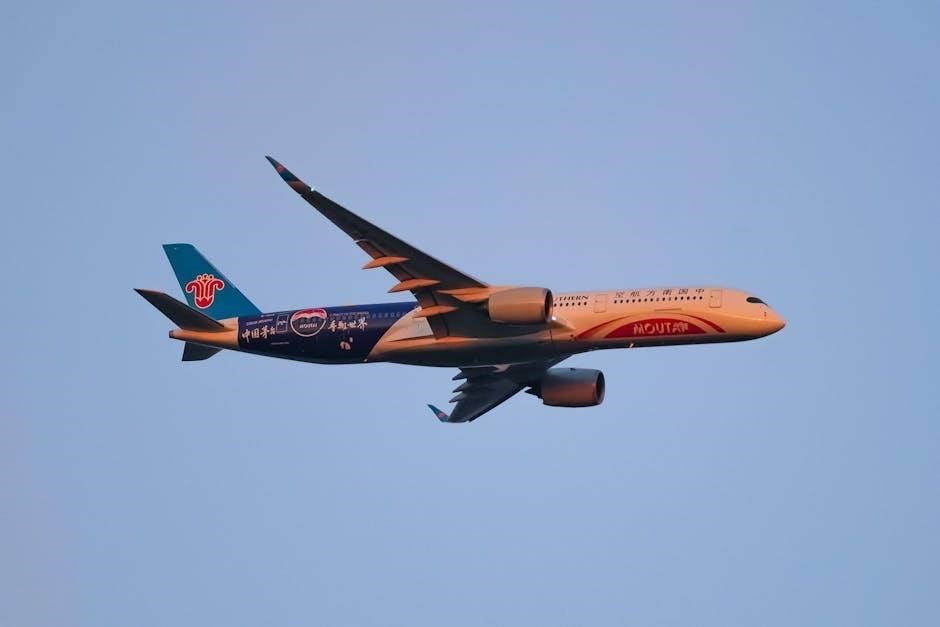
Resources for Plane Spotters
Numerous online forums, websites like SpottingLog, and aviation publications connect enthusiasts and provide valuable data for identifying aircraft and sharing experiences․
Online Forums and Communities
Engaging with online plane spotting communities is incredibly beneficial for both newcomers and seasoned spotters․ These platforms offer a space to share photographs, discuss identification challenges, and learn from experienced individuals․ Forums often feature dedicated threads for specific airports or aircraft types, fostering focused discussions․
Active participation allows you to gain insights into spotting techniques, discover new locations, and stay updated on aviation news․ Many communities organize spotting events, providing opportunities to connect with fellow enthusiasts in person․ Websites and forums are invaluable resources for expanding your knowledge and enhancing your hobby experience․
Spotting Websites and Databases (SpottingLog)
Dedicated spotting websites and databases, like SpottingLog, are essential tools for organizing and sharing your observations․ These platforms allow you to log your sightings, including aircraft type, registration, airline, and location, creating a personal record of your spotting adventures․
SpottingLog and similar sites often feature extensive aircraft databases, aiding in identification․ They also facilitate connecting with other spotters, viewing their logs, and discovering new spotting opportunities․ Utilizing these resources streamlines data management and enhances the collaborative aspect of the hobby․
Aviation Magazines and Publications
Staying informed through aviation magazines and publications deepens your understanding and appreciation of the hobby․ These resources offer detailed articles on aircraft technology, airline operations, and industry news, enriching your spotting experience․ Publications frequently feature stunning photography, inspiring your own attempts to capture the perfect shot․
They also provide insights into spotting locations, upcoming airshows, and rare aircraft sightings․ Subscribing to these publications connects you with a broader aviation community and keeps you abreast of the latest developments in the world of flight․
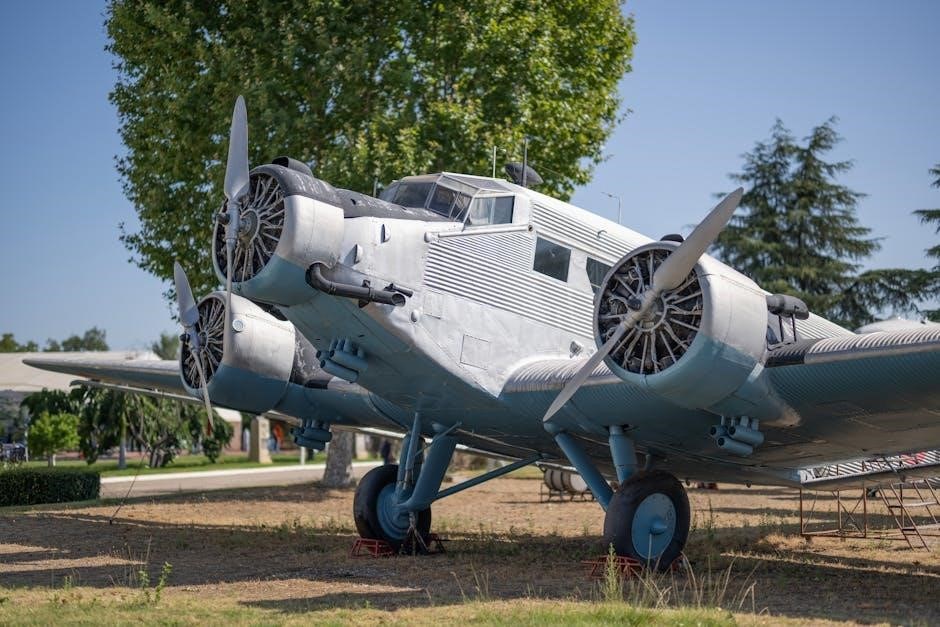
Decoding Aircraft Markings
Understanding registration numbers, airline liveries, and military markings unlocks a deeper level of plane spotting, revealing an aircraft’s history and origin!
Understanding Registration Numbers (N-numbers, etc․)
Aircraft registration numbers, often called “tail numbers,” are unique identifiers for each individual aircraft, much like a license plate for a car․ In the United States, these begin with “N” (for National), followed by a combination of letters and numbers․ Other countries have different prefixes – for example, “G” for the United Kingdom, “D” for Germany, and “C” for Canada․
Decoding these numbers can reveal the aircraft’s country of origin and ownership․ While the registration itself doesn’t directly indicate the aircraft type or airline, it’s a crucial piece of information for tracing an aircraft’s history and identifying it within databases․ Spotters frequently use these numbers to log sightings and build comprehensive records․
Airline Livery and Special Schemes
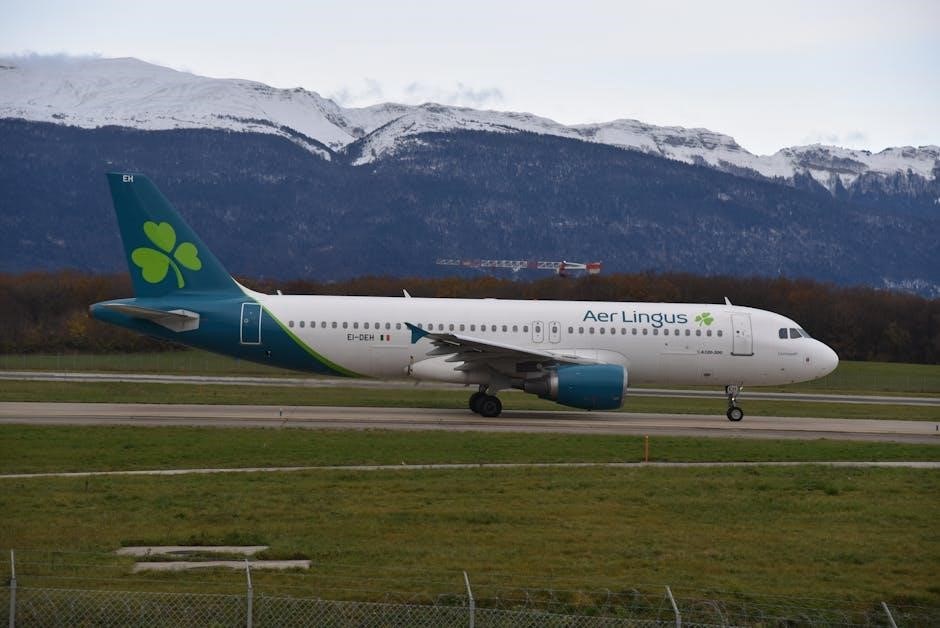
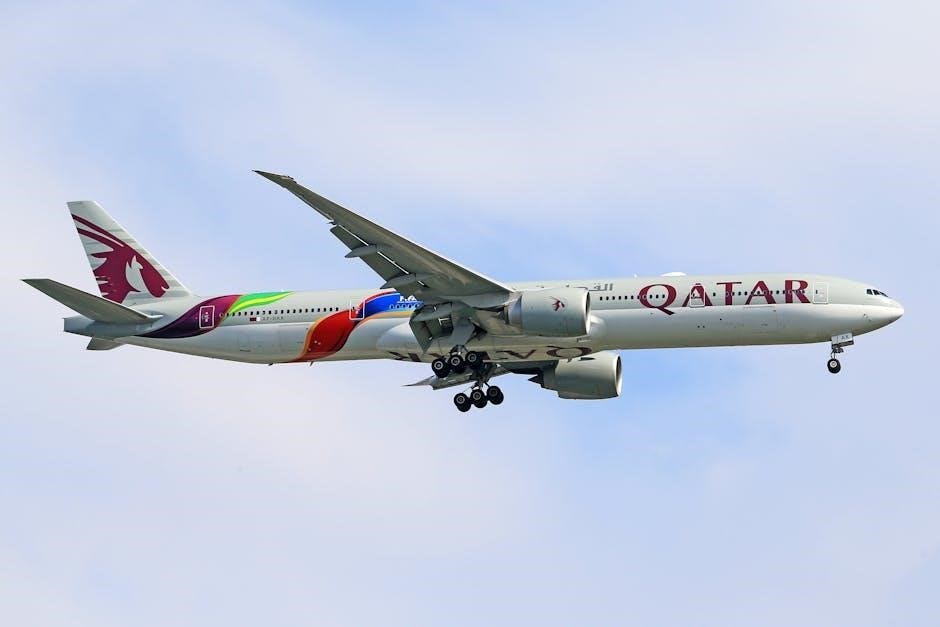
Airline liveries – the paint schemes adorning aircraft – are instantly recognizable and a key element of plane spotting․ Standard liveries represent an airline’s brand identity, but airlines often introduce “special schemes” to commemorate events, celebrate anniversaries, or promote partnerships․
These can range from subtle modifications to entirely new, eye-catching designs․ Spotting an aircraft in a special livery is a highlight for many enthusiasts! Observing livery changes over time also provides a fascinating glimpse into an airline’s history and marketing strategies, adding another layer to the hobby․
Identifying Military Aircraft
Identifying military aircraft presents unique challenges compared to spotting civilian airliners․ Military planes often lack easily visible airline markings, relying instead on national insignia, tail codes, and unique serial numbers․ Familiarizing yourself with common military aircraft types – like fighters, transports, and helicopters – is crucial․
Resources detailing military aircraft markings and unit assignments are invaluable․ Be mindful of operational security; avoid photographing sensitive areas or equipment․ Respecting military installations and adhering to any posted restrictions is paramount when spotting near bases․
Legal Aspects of Plane Spotting
Plane spotting is generally legal, but be aware of photography restrictions near airports and respect individual privacy․ Always comply with local laws and regulations!
Photography Restrictions at Airports
Many airports impose restrictions on photography, often stemming from security concerns post-9/11․ It’s crucial to understand these rules before you start snapping pictures․ Some airports completely prohibit photography in certain areas, particularly near critical infrastructure like runways and terminals․
Others may require permits or prior authorization․ Always check the airport’s website or contact airport security for clarification․ Ignoring these restrictions can lead to fines, equipment confiscation, or even legal repercussions․ Be discreet and respectful, and avoid any actions that could be misinterpreted as suspicious․ Remember, safety and security are paramount․
Privacy Concerns and Respecting Individuals
Plane spotting involves capturing images of people, and respecting their privacy is essential․ Avoid intentionally photographing individuals without their consent, especially in private areas․ Be mindful of capturing identifiable features and consider the potential impact of sharing images online․
Blurring faces or obtaining permission before publishing photos is a considerate practice․ Remember that everyone has a right to privacy, and responsible spotting prioritizes ethical considerations alongside the hobby’s enjoyment․ Always act respectfully and avoid causing distress or intrusion․
Local Laws and Regulations
Plane spotting activities are subject to local laws and airport regulations, which can vary significantly․ Always research and understand the specific rules governing spotting in your chosen location․ Some areas may have restrictions on photography, access to certain zones, or the use of equipment like radio scanners․
Ignoring these regulations can lead to fines, equipment confiscation, or even legal repercussions․ Prioritize compliance and obtain any necessary permits or permissions before engaging in spotting activities․ Respecting the law ensures a safe and enjoyable hobby for everyone․
The Future of Plane Spotting
Technology continues to reshape plane spotting, with growing online communities and resources․ Sustainable practices and accessibility will define the hobby’s exciting evolution!
Impact of Technology on the Hobby
Technology has fundamentally altered plane spotting, democratizing access to information and enhancing the experience․ Online flight tracking platforms like Flightradar24 and FlightAware provide real-time aircraft positions, empowering spotters with valuable data for planning and identification․ Digital photography, with increasingly sophisticated smartphone cameras and DSLRs, allows for capturing stunning images․
Furthermore, online forums and databases, such as SpottingLog, foster vibrant communities where enthusiasts share sightings, knowledge, and photography․ Social media platforms amplify this connectivity, enabling global collaboration․ Even radio scanners, though requiring responsible use, offer a deeper understanding of air traffic control communications․ These advancements collectively make plane spotting more accessible, informative, and engaging than ever before․
Growing Community and Online Resources
The plane spotting community is thriving, fueled by readily available online resources․ Numerous forums and dedicated websites, like SpottingLog, connect enthusiasts globally, facilitating knowledge sharing and fostering camaraderie․ These platforms offer databases for logging sightings, identifying aircraft, and discussing spotting locations․
Social media groups dedicated to aviation and plane spotting further expand this network, enabling quick information exchange and collaborative spotting events․ Aviation magazines and publications provide in-depth articles and stunning photography, enriching the hobby․ This expanding digital landscape makes plane spotting increasingly accessible and social․
Sustainable Spotting Practices
Responsible plane spotting ensures the hobby’s longevity and minimizes environmental impact․ Respecting airport property and local regulations is paramount, avoiding trespassing or disruption․ Minimize waste by bringing reusable containers and properly disposing of any litter․ Consider the carbon footprint of travel to spotting locations, opting for public transport when feasible․
Share knowledge responsibly, avoiding the publication of sensitive information․ Support local communities near spotting locations and be mindful of noise pollution․ Practicing these sustainable habits preserves access and protects the environment for future generations of spotters․