can you get auto start manual transmission
Can You Get Auto Start with a Manual Transmission? ─ A Comprehensive Guide (12/03/2025 09:14:15)
Certain combinations simply don’t work, much like orange juice and toothpaste; remote starters and manual transmissions fall into this category, presenting unique challenges for implementation.
Understanding Auto Start/Stop Systems
Auto start/stop systems are designed to enhance fuel efficiency by automatically shutting off the engine when the vehicle is stationary – for example, at traffic lights or in congested traffic. These systems rely on a complex interplay of sensors and electronic control units to determine when it’s safe and appropriate to temporarily halt combustion.
Typically, the system monitors factors like vehicle speed, brake pedal status, and engine load. Crucially, it also needs to confirm the vehicle is in Park or Neutral (in automatics) and that the driver isn’t attempting to move. The system then restarts the engine almost instantaneously when the driver releases the brake or applies throttle.
However, the fundamental premise of these systems is built around the inherent safety mechanisms present in automatic transmissions. The ability to reliably detect a true “Park” or “Neutral” position is essential for preventing unintended vehicle movement during restarts, a feature that presents a significant hurdle when considering manual transmissions.
The Core Issue: Manual Transmissions and Safety Interlocks
The primary obstacle to implementing auto start/stop in manual transmission vehicles lies in the absence of a definitive “Park” position. Automatic transmissions provide a clear signal indicating the vehicle is securely unable to move, a critical safety feature for auto start/stop functionality. Manuals, however, rely on the driver to maintain control via the clutch and parking brake.

This necessitates a robust safety interlock system to prevent accidental starts while the vehicle is stopped with the clutch engaged and in gear. Your car already possesses a safety switch designed to prevent starting in gear with the clutch engaged, a crucial existing safeguard.
Integrating auto start/stop would require a sophisticated system to reliably determine if the vehicle is truly stationary and safe to restart, bypassing the inherent risk of unintended movement. This complexity and the potential for system failure make retrofitting or designing such a system exceptionally challenging.
Why Auto Start is Typically Incompatible with Manuals
Auto start/stop systems depend on a secure understanding of the vehicle’s state – specifically, whether it’s safely immobilized. Automatic transmissions readily offer this information through the “Park” position, allowing for confident engine restarts. Manual transmissions lack this inherent safety net, creating a fundamental incompatibility.
The system needs to ascertain the vehicle isn’t in gear with the clutch released, a scenario that could lead to sudden, uncontrolled movement upon restart. Gear position sensors play a role, but even detecting the gear isn’t enough; clutch engagement is paramount.
Furthermore, parking on even a slight incline introduces another layer of complexity. Without a transmission brake like automatics possess, relying solely on the parking brake presents a risk of rolling, especially if the auto start/stop system initiates unexpectedly. This inherent risk is why manufacturers generally avoid integrating the feature into manual vehicles.
The Role of the Clutch Switch in Preventing Accidental Starts
A crucial safety feature in all manual transmission vehicles is the clutch switch. This seemingly simple component plays a vital role in preventing unintended engine starts, a core concern when considering auto start/stop functionality. The switch is designed to interrupt the starter circuit unless the clutch pedal is fully depressed.
Essentially, the system requires confirmation that the driver intends to engage the drivetrain before allowing the engine to fire. This is a fundamental safety interlock, preventing the car from lurching forward or backward if it’s in gear. Integrating auto start/stop would necessitate a complex interplay with this switch, ensuring it doesn’t override the existing safety measures.
Bypassing this switch, even for the sake of enabling auto start, is a demonstrably dangerous practice. It removes a critical layer of protection against accidental movement, potentially leading to collisions or injuries. The clutch switch is not merely a convenience; it’s a cornerstone of manual transmission safety.
Gear Position Sensors and Auto Start/Stop Functionality
Modern vehicles rely heavily on gear position sensors to determine the transmission’s state. These sensors are integral to the operation of auto start/stop systems in automatic transmissions, informing the car whether it’s in Drive, Reverse, or Park. However, applying this logic to a manual transmission presents significant hurdles.
The system needs to accurately identify when the vehicle is in neutral, a prerequisite for a safe and seamless auto start/stop experience. If the sensor incorrectly reads the gear position – for example, believing the car is in neutral when it’s actually in gear – the engine could restart unexpectedly, creating a hazardous situation.
Specifically, a reported issue involves the system disabling auto start/stop when in fifth gear with the clutch out, as the sensor struggles to determine the precise gear selection. This highlights the complexity of adapting this technology to the variable nature of manual gearboxes.
Remote Start Challenges with Manual Transmissions
Implementing remote start in a manual transmission vehicle is considerably more complex than in an automatic. Unlike automatics, manuals lack a “Park” position and a transmission brake, essential safety features for remote start systems. When parking on even a slight downhill grade, an automatic utilizes these features to prevent unintended movement.
A manual transmission relies solely on the parking brake to secure the vehicle. A remote start system attempting to initiate the engine without verifying the parking brake’s engagement could result in the car rolling, posing a serious safety risk; This necessitates a robust system that confirms the brake is firmly applied before allowing the engine to start remotely.
Furthermore, the system must prevent starting the engine in gear, requiring sophisticated integration with the clutch switch and gear position sensors to ensure a safe and controlled remote start process.
Parking on Inclines: A Key Consideration
Parking on an incline presents a significant hurdle for remote start systems in manual transmission vehicles. Automatic transmissions possess an inherent advantage with their transmission brake and the definitive “Park” position, reliably preventing rolling. Manuals, however, depend entirely on the parking brake’s effectiveness, introducing a potential safety concern.
If a manual transmission car is parked on a slope and the parking brake fails or isn’t fully engaged, a remote start activation could lead to the vehicle rolling downhill. This is a critical safety issue that manufacturers must address before considering remote start functionality for manual transmissions. The system needs a foolproof method to verify the parking brake is securely applied.
Consequently, any viable remote start solution for a manual must incorporate a sophisticated system that actively monitors and confirms the parking brake’s status before initiating the engine, mitigating the risk of unintended movement on inclines.
The Lack of a “Park” Position in Manuals
A fundamental difference between automatic and manual transmissions lies in the absence of a dedicated “Park” position in the latter. Automatic transmissions mechanically lock the output shaft in “Park,” preventing any wheel movement. Manual transmissions rely solely on the parking brake to secure the vehicle, creating a vulnerability for remote start systems.
Without a positive mechanical lock, a remote start activation in a manual could potentially allow the car to roll, especially on even a slight incline. This is a primary reason why manufacturers have historically avoided integrating auto-start functionality with manual transmissions – the safety risk is substantial.
Therefore, any attempt to enable remote start on a manual transmission vehicle necessitates a robust system that definitively confirms the parking brake is engaged before allowing the engine to start, effectively replicating the safety function of the “Park” position.
Potential Workarounds and Modifications (and their Risks)

While factory auto-start isn’t available, aftermarket solutions exist, but they’re fraught with potential issues. Some involve bypassing or repurposing existing safety switches, like the park brake switch, to trigger the starter. However, this is a dangerous practice, as it compromises the vehicle’s built-in safety mechanisms.
More sophisticated systems attempt to integrate with the clutch switch and gear position sensor, ensuring the clutch is disengaged and the transmission is in neutral before starting. These require careful calibration and can be unreliable if not installed correctly. Incorrect wiring or programming could lead to accidental starts.
Furthermore, modifications often void warranties and may not meet safety regulations. The risk of unintended acceleration or vehicle rollaway is significant, making professional installation and thorough testing absolutely crucial, even then, inherent risks remain.
Bypassing Safety Switches: A Dangerous Practice
Tampering with safety switches designed to prevent accidental starts in manual transmission vehicles is exceptionally risky. Your car’s safety systems are intentionally designed to avoid starting in gear with the clutch engaged, a scenario easily bypassed with improper modifications.
Directly running the start signal through another switch, like the park brake, eliminates crucial safeguards. This creates a hazardous situation where the vehicle could unexpectedly lurch forward or backward, potentially causing collisions or injuries. The original intent of these safety features is to protect both the driver and bystanders.
Moreover, bypassing these systems often violates safety regulations and can have severe legal consequences. It’s a shortcut that prioritizes convenience over safety, and the potential ramifications far outweigh any perceived benefit. Professional installation of any aftermarket system is vital, but even then, bypassing core safety features is strongly discouraged.
The Impact of Transmission Type on Driver Engagement
The transmission type profoundly influences the driving experience, directly impacting driver engagement and control. Automotive aficionados often champion manual transmissions, believing they offer a superior connection to the vehicle. Manuals demand active participation, requiring the driver to manage gear selection and clutch operation, fostering a more immersive experience.
Conversely, automatic transmissions prioritize convenience and ease of use, abstracting the driver from the mechanical process of shifting. While modern automatics offer features like paddle shifters to simulate manual control, they generally lack the same level of direct involvement. This difference in engagement is a core reason why enthusiasts remain loyal to manual transmissions.
However, the declining popularity of manuals suggests a broader shift towards prioritizing comfort and accessibility. The type of transmission ultimately reflects a driver’s preferences and priorities, shaping their interaction with the car and the road.
The Declining Popularity of Manual Transmissions
Manual transmissions are a dwindling breed in the contemporary automotive market, particularly within North America. Over the past three decades, the proportion of cars sold with manual gearboxes has steadily decreased, as automatic transmissions have become the dominant preference for most buyers. This shift isn’t necessarily a reflection of diminished quality or capability, but rather a change in consumer expectations.
The increasing demand for convenience and ease of driving has fueled the rise of automatics. Modern automatic transmissions offer smoother shifts, improved fuel efficiency, and features like paddle shifters, narrowing the performance gap with manuals. Furthermore, the complexities of driving in congested urban environments often favor the simplicity of an automatic.
While manuals retain a dedicated following among enthusiasts, their overall market share continues to shrink, signaling a broader trend towards automated driving experiences.
Common Wear and Tear Issues in Manual Transmissions
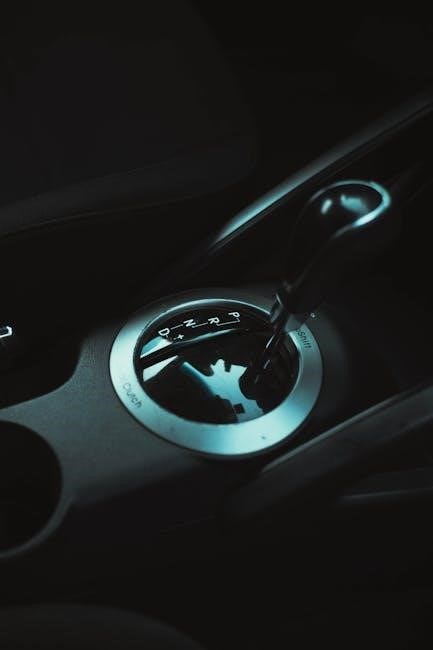
Most early problems in manual transmissions typically originate within the clutch system, rather than the gearset itself. Drivers often adjust their driving style to compensate for a failing clutch or shifting issues, dismissing these as normal quirks. However, ignoring these symptoms can lead to more significant and costly repairs down the line.
Sticky shifts and grinding gears are frequent indicators of wear and tear. These issues can stem from worn synchronizers, low transmission fluid, or internal damage. A failing clutch can manifest as slippage, difficulty engaging gears, or a spongy pedal feel. Addressing these problems promptly is crucial to prevent further damage.
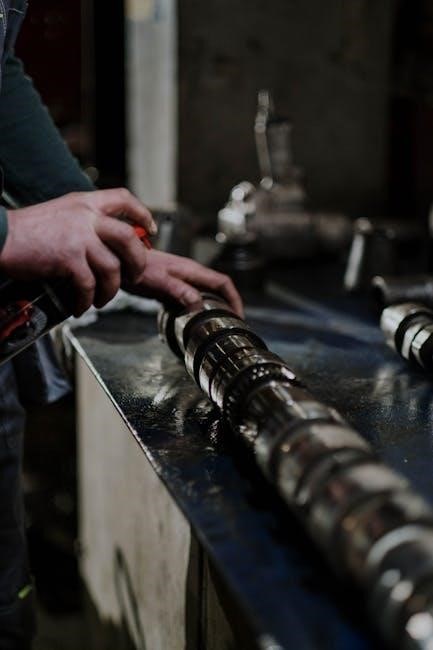
Regular maintenance, including fluid changes and clutch inspections, can significantly extend the lifespan of a manual transmission and mitigate potential issues.
Clutch Problems as a Frequent Starting Point
The clutch is often the initial point of failure in manual transmissions, preceding issues within the gearset itself. Drivers may unknowingly adapt their driving to accommodate a weakening clutch, perceiving minor difficulties as normal operation. This delayed attention can exacerbate the problem, leading to more extensive and expensive repairs.
Common clutch-related symptoms include slippage during acceleration, difficulty shifting into gears, a spongy or soft pedal feel, and unusual noises when engaging or disengaging the clutch. These signs indicate wear or damage to the clutch disc, pressure plate, or throw-out bearing.
Ignoring these early warning signs can result in complete clutch failure, leaving the vehicle immobile. Proactive maintenance, such as regular inspections and timely replacements, is vital for preserving the longevity and performance of the manual transmission system.
Sticky Shifts and Grinding Gears
Experiencing difficulty selecting gears, often described as “sticky shifts,” is a common indicator of underlying issues within a manual transmission. This can manifest as resistance when moving the gear lever or an inability to fully engage a specific gear. Frequently, drivers attempt to compensate, brushing off these sensations as a normal characteristic.
Grinding gears, characterized by a harsh, metallic noise during shifting, signifies that the gears aren’t meshing smoothly. This typically occurs when the clutch isn’t fully disengaged or when attempting to shift at an inappropriate speed. Prolonged grinding accelerates wear on the gear teeth.
These symptoms often stem from low transmission fluid, worn synchronizers, or internal damage. Addressing these issues promptly is crucial to prevent further deterioration and potentially catastrophic failure of the transmission.
The Historical Perspective: Manual vs. Automatic
Historically, the manual transmission reigned supreme as the original automotive gearbox, holding its own for decades before the advent of automatic technology. Early automobiles universally employed manual transmissions, demanding a higher level of driver skill and engagement. This required a direct connection between the driver and the mechanics of the vehicle.
The introduction of automatic transmissions marked a significant shift, prioritizing convenience and ease of use. While initially less efficient and more complex, automatics gradually gained popularity, particularly in North America. They offered a smoother driving experience, appealing to a broader range of drivers.
Despite the rise of automatics, a dedicated following has always championed the manual transmission, valuing its control, responsiveness, and perceived connection to the driving experience. Automotive enthusiasts often favor manuals for a more immersive and engaging ride.
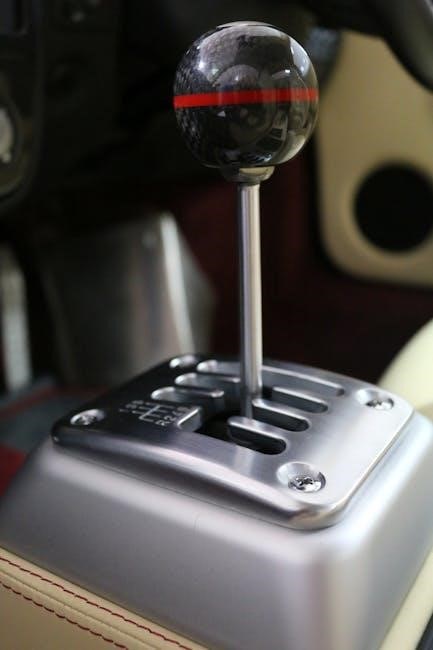
The Evolution of Car Ownership and Transmission Preferences
Car ownership has transformed dramatically over time, evolving from a status symbol reserved for the affluent to a commonplace necessity for many. Initially, possessing a vehicle signified wealth and social standing, influencing purchasing decisions and preferences. As cars became more accessible, practicality and convenience gained prominence.
This shift impacted transmission choices, with automatic transmissions steadily increasing in market share. The demand for effortless driving experiences resonated with a growing segment of car buyers, particularly in regions like North America. Manual transmissions, while still appreciated by enthusiasts, experienced a decline in popularity.
Over the past three decades, the number of manual transmissions sold has decreased significantly, reflecting changing consumer priorities. While manuals maintain a niche following, automatics now dominate the automotive landscape, shaping the evolution of car ownership and driving habits.

Future Trends: Will Auto Start Ever Be Available for Manuals?
The integration of auto start/stop systems with manual transmissions remains a complex challenge, largely due to inherent safety concerns and the lack of a traditional “Park” position. However, advancements in automotive technology might offer potential solutions in the future.
Sophisticated gear position sensors, coupled with enhanced clutch switch functionality, could theoretically overcome some of the existing obstacles. These systems would need to reliably detect the vehicle’s state and prevent accidental starts, even on inclines.
Despite these possibilities, the declining popularity of manual transmissions may limit the investment in developing such features. Manufacturers are prioritizing automatic transmissions, focusing resources on improving their efficiency and functionality. While not impossible, widespread availability of auto start for manuals appears unlikely in the near term.