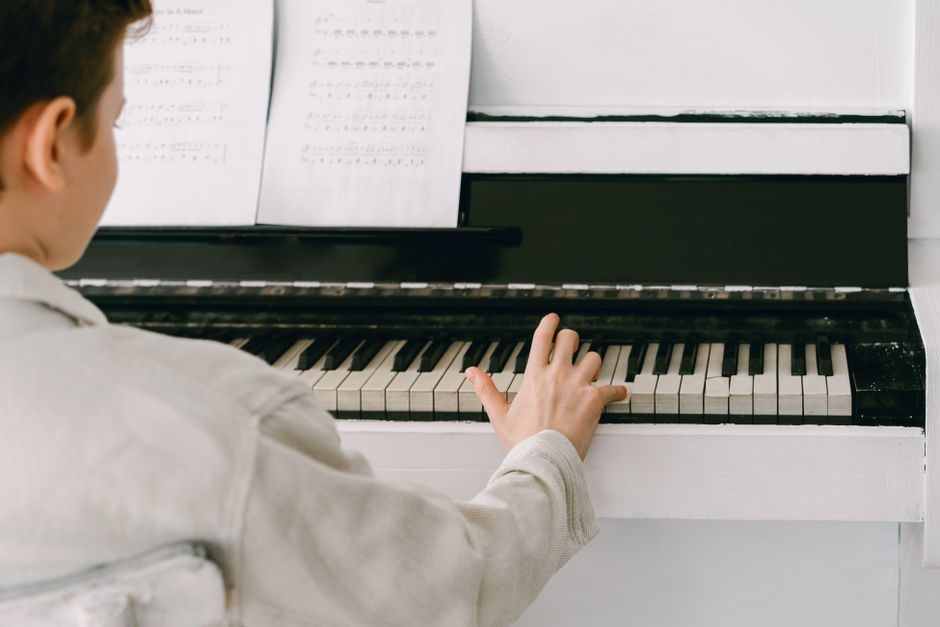
super mario piano sheet music pdf
Discover how to download PDF files of piano arrangements for the iconic Super Mario Brothers theme composed by Koji Kondo. These unofficial scores are personal transcriptions by Philip Kim, inspired by The Blindfolded Pianist, and offer a fresh, accessible way to play classic video game music. Enjoy! 🎹!!
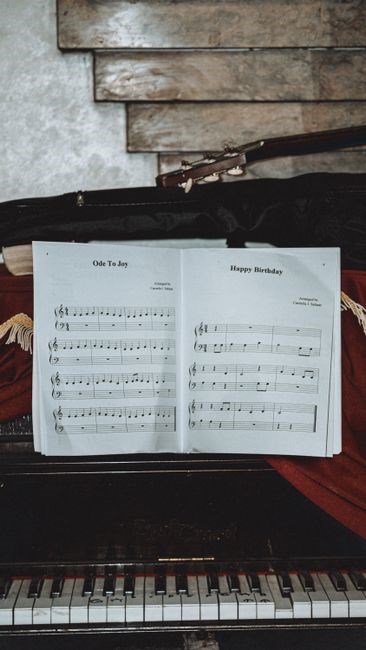
Original Composition by Koji Kondo
Koji Kondo, the legendary composer behind Nintendo’s most iconic soundtracks, crafted the original Super Mario Bros. theme in 1985. The piece blends simple melodic motifs with a driving rhythmic pulse, creating an instantly recognizable hook that has become synonymous with adventure and nostalgia. Kondo’s composition employs a bright, major‑key tonality, using a combination of arpeggiated chords and syncopated bass lines that drive the game’s pacing. The melodic line is concise yet memorable, allowing players to instantly recall the tune even after brief exposure. Kondo’s use of the 8‑bit sound chip’s limited polyphony forced him to write music that was both efficient and expressive, a challenge that led to the creation of some of the most enduring video‑game music of all time. The theme’s structure—introduction, main motif, and a brief variation—mirrors the classic “A‑B‑A” form found in many popular songs, making it accessible to musicians of all skill levels. Over the years, the Super Mario Bros; theme has been re‑imagined in countless arrangements, from orchestral concertos to jazz interpretations, yet Kondo’s original remains the definitive version that captures the spirit of the early Nintendo platform. Its influence can be heard in subsequent Mario titles, where Kondo continued to develop thematic material that pays homage to the original while expanding on its musical ideas. The enduring popularity of the theme is a testament to Kondo’s masterful blending of melody, harmony, and rhythm, ensuring that the Super Mario Bros. soundtrack remains a cornerstone of video‑game music history!.
Its timeless melody continues to inspire composers worldwide, cementing Kondo’s legacy as a pioneer in video‑game music forall ageeverywhere!
Popularity Among Piano Enthusiasts
Since the early 2000s, the Super Mario Bros. theme has become a staple in piano circles, especially among players who enjoy blending melodies with repertoire. The tune’s simple yet catchy structure lends itself to a wide range of skill levels, from beginners who appreciate the straightforward arpeggios to advanced pianists who explore complex reharmonizations and tempo variations. Online communities such as r/piano, Piano World forums, and Discord servers host countless user‑generated arrangements, shared as PDF. These PDFs often feature hand‑written notation, chord symbols, and dynamic markings that help pianists interpret the piece with authenticity. The accessibility of free PDF resources has encouraged a surge in home‑practice sessions, where players experiment with tempo rubato, pedal usage, and expressive phrasing to capture the original’s playful spirit. Moreover, the theme’s popularity has spurred the creation of themed piano competitions, YouTube tutorials, and live‑streamed performances that showcase the piece’s versatility. The community’s enthusiasm is further reflected in the frequent inclusion of the Super Mario Bros. theme in piano recitals, school ensembles, and even viral TikTok videos, where performers add humorous or virtuosic twists. As a result, the piece has transcended its video‑game origins to become a beloved fixture in contemporary piano culture, inspiring both seasoned musicians and novices alike to explore the intersection of pop culture and classical technique. Enjoy it now!!.
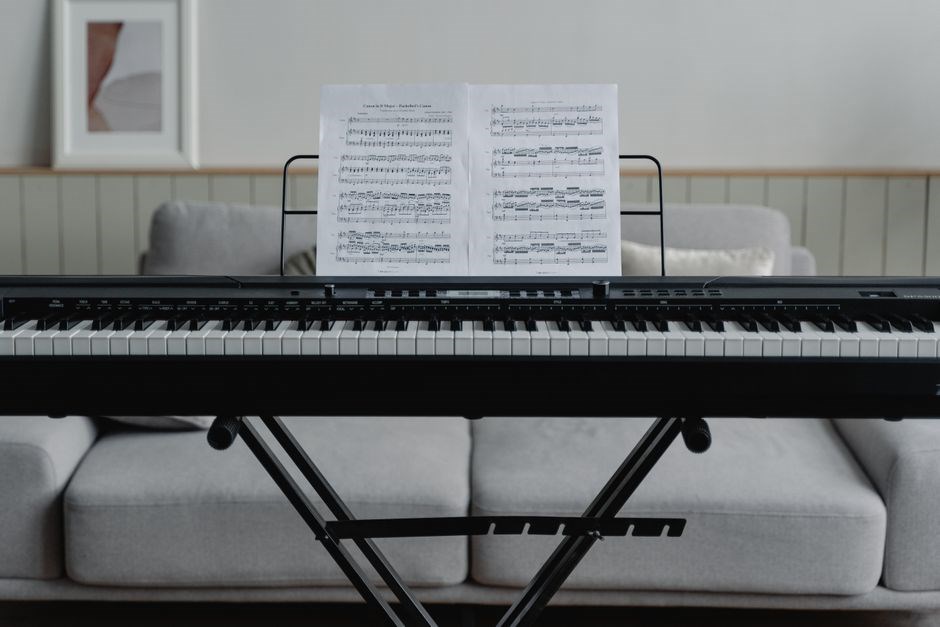

Sources of PDF Arrangements
Explore reliable sources for Super Mario piano PDFs. Philip Kim’s hand‑written transcriptions offer faithful, beginner‑friendly layouts, while Litchfield & Callum’s MIDI‑derived scores provide accurate rhythmic detail. Both collections are shared online, making the theme accessible to all skill levels. Enjoy now!!!!!
Personal Transcriptions by Philip Kim
Philip Kim has crafted a series of hand‑written Super Mario piano arrangements that capture the playful spirit of Koji Kondo’s original score. Drawing inspiration from the YouTube channel “The Blindfolded Pianist,” Kim’s transcriptions emphasize clear rhythmic phrasing and approachable voicings, making the iconic main theme accessible to intermediate players. Each PDF features a concise lead‑sheet layout with chord symbols, a full‑sized piano part, and a simplified accompaniment line that mirrors the original eight‑bit texture. Kim’s meticulous note‑placement ensures that the melodic contour remains true to the source material while allowing performers to add personal expression through dynamic shading and pedal use. Users can download the PDFs for free from the site’s dedicated “Super Mario” section, where the files are organized by difficulty level and include a brief introduction to the arrangement process. The transcriptions are not official scores; they are fan‑made adaptations that respect copyright constraints while providing an educational tool for pianists seeking to expand their repertoire with video‑game classics. By studying Kim’s work, players learn how to translate electronic sound design into expressive piano writing, a valuable skill for modern music education. Enjoy the nostalgic journey and bring the Mushroom Kingdom’s soundtrack to life on your keyboard! Feel free to share your own interpretations, record your performances, and upload them to community forums; the more you practice, the deeper your connection with the timeless melodies that have defined a generation of gamers. Your dedication will inspire others to explore the rich musical heritage of classic games
MIDI Arrangements by Litchfield and Callum
Litchfield and Callum have produced a set of MIDI‑based Super Mario Bros arrangements that translate the original 8‑bit soundtrack into a polished piano solo. Their work focuses on preserving the rhythmic drive and melodic hooks while adding harmonic depth suitable for a modern keyboard. Each PDF contains a full‑sized piano part, a simplified accompaniment line, and a detailed chord chart that follows the original score’s structure. The arrangements are available for download as free PDFs, and they are organized by difficulty level to accommodate players from beginners to advanced. The MIDI files accompany the PDFs, allowing users to hear the intended voicing and tempo before attempting to play. By listening to the MIDI, pianists can internalize the syncopated patterns that make the theme instantly recognizable. The transcriptions also include tempo markings and dynamic indications that mirror the original game’s energy. Users can import the MIDI into notation software to create personalized editions or use the PDFs directly for practice. These arrangements are not official scores; they are fan‑made adaptations that respect copyright while offering an educational resource for those who wish to explore video‑game music on the piano. Enjoy the nostalgic experience and bring the Mushroom Kingdom’s soundtrack to life on your keyboard! These PDFs also provide a clear key signature and tempo markings, allowing pianists to adjust the feel of the piece for different performance contexts, whether in a solo recital or a group jam session. Enjoy the fun.
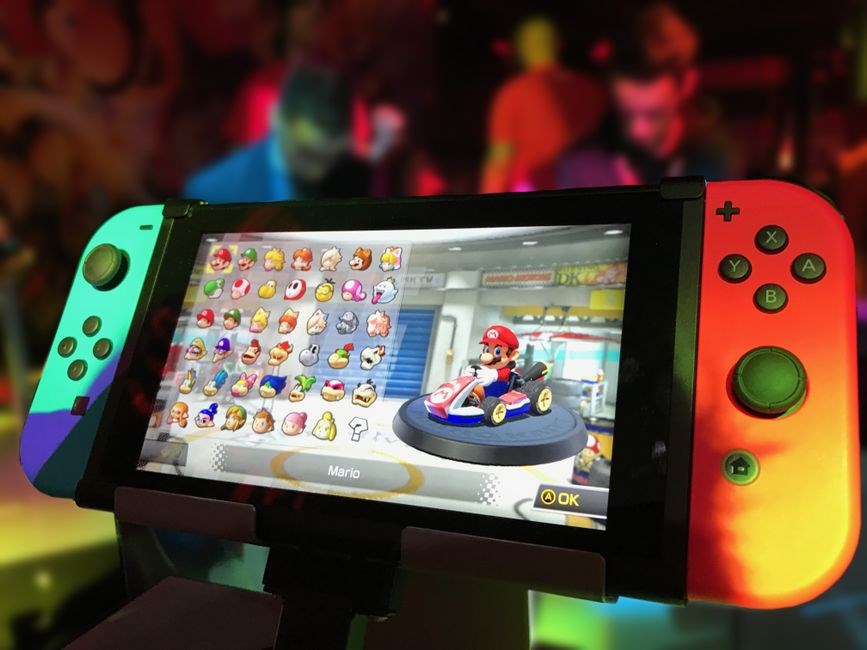
Free Download Resources
Find free PDF downloads for Super Mario piano arrangements on sites like the largest video game sheet music repository. Download the Super Mario Bros for Easy Piano PDF, or explore other fan‑made scores. All files are free, legal, and ready for instant practice. Download now and start playing today!instantly
Super Mario Bros for Easy Piano PDF

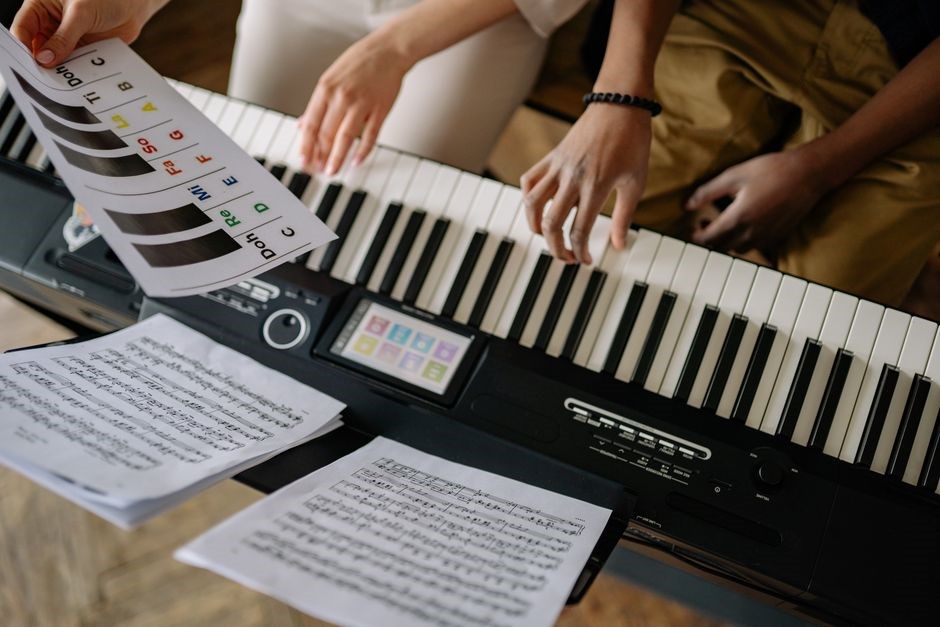
Super Mario Bros for Easy Piano is a fan‑crafted PDF that lets beginners tackle the classic 1985 main theme with confidence. The score is broken into simple measures, each labeled with chord symbols and a rhythmic guide so you can follow along without getting lost in the original 8‑bit texture. The layout is clean, with a clear key signature, tempo marking, and a small piano‑style notation that keeps the look familiar for those used to standard sheet music. Because it’s designed for novices, the piece omits complex ornamentation and focuses on the core melody and bass line. You can download the file for free from the largest video‑game sheet‑music repository, where it’s available in PDF format and can also be read online. The file size is modest, making it easy to share or print on a standard A4 sheet. Once you have the PDF, you can practice the theme in a relaxed setting, gradually building up speed and accuracy. The resource is ideal for piano teachers who want a quick, approachable introduction to video‑game music, and for hobbyists who simply want to play a nostalgic tune without the technical demands of the original score. Enjoy the iconic sound of the Mushroom Kingdom on your keys! The PDF also contains an introduction to the theme’s history, a guide so on how to practice each section and a cheat sheet for quick reference. Whether you’re a student, a teacher, or a casual player, this resource bridges the gap between the original 8‑bit soundtrack and a full‑size piano performance, making the beloved Mario music accessible to all skill levels.
Largest Free Video Game Sheet Music Repository
In the digital age, a single online hub has become the go‑to source for enthusiasts seeking piano arrangements of classic titles. This repository hosts thousands of PDFs, ranging from the iconic Super Mario Bros main theme to obscure side‑quest melodies, all compiled by dedicated fans. Each file is meticulously formatted with clear staff lines, tempo markings, and chord symbols, ensuring that pianists of all levels can navigate the pieces with ease. The site’s search function allows users to filter by game title, composer, or difficulty, making it simple to locate the exact arrangement you need. Additionally, the platform offers downloadable MIDI files that can be imported into digital audio workstations for further editing or accompaniment. Community forums provide a space for discussion, where musicians share performance tips, transcription challenges, and personal interpretations. The repository’s commitment to accessibility is evident in its free‑to‑use model, which encourages the spread of video‑game music beyond the confines of gaming culture. By offering a centralized, user‑friendly archive, this resource has helped preserve the legacy of game soundtracks while inspiring a new generation of pianists to explore the rich sonic landscapes of their favorite games. Whether you’re a seasoned performer or a curious beginner, the repository’s expansive catalog and supportive community make it an indispensable tool for anyone looking to bring video‑game melodies to life on the piano. Users can also contribute their own transcriptions, ensuring the collection grows organically and remains a living archive that reflects the evolving tastes of the gaming community. All rights. ©!
Usage and Performance Tips
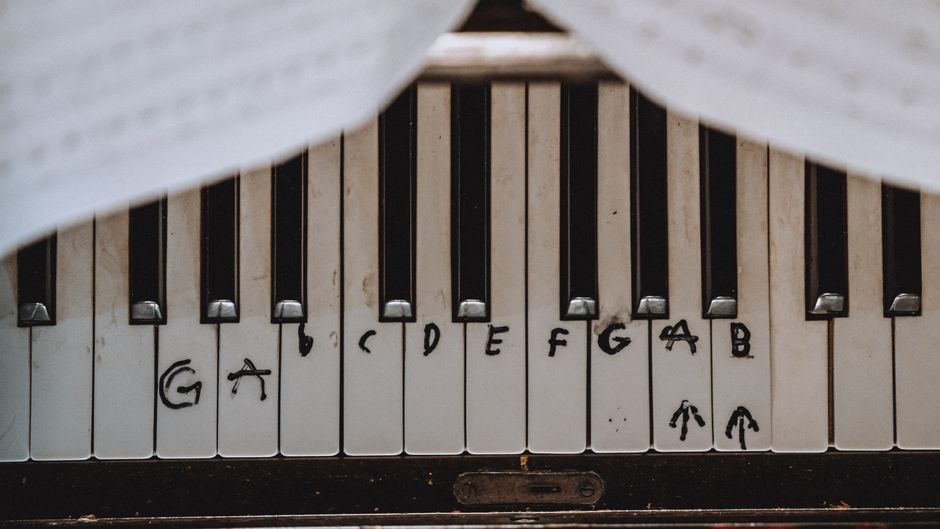
Use the PDF’s tempo markings to match the original game speed. Practice the main theme’s arpeggios slowly, then increase to 120 bpm. Add dynamic contrast by emphasizing the “jump” notes, and experiment with pedal to create a smooth, nostalgic feel. Use a metronome daily
Adapting Arrangements for Skill Levels
Begin by selecting the difficulty you can comfortably manage. For beginners, reduce the tempo to 90 bpm and play only the melody line, leaving the accompaniment for later practice. As you progress, reintroduce the left‑hand chords, but simplify them to open‑voiced triads. For intermediate players, incorporate the original syncopated rhythm by adding short, accented eighth‑note runs. Advanced musicians can tackle the full texture, including rapid arpeggios and dynamic swells, for a richer sound. Use a metronome. Experiment with pedal. Keep the tempo steady! Consistent daily practice, focusing on one section at a time, will build muscle memory and confidence. Remember to listen to the original track to capture the playful character of the theme!!! Keep daily practice!!!
When adjusting the arrangement, consider the hand span and finger strength of the player. For those with limited reach, break wide chords into two‑note arpeggios or use a capo‑style approach on the keyboard. If the piece feels too fast, insert a brief fermata over the first measure before the next phrase. Gradually reintroduce the omitted harmonies as confidence grows. Additionally, experiment with rhythmic variations: play the main theme in a swing feel or add a subtle triplet feel to the accompaniment to keep the piece fresh. Finally, record yourself to evaluate timing and expression, and adjust the arrangement accordingly. Record each session, and keep the tempo steady. Adjust tempo to improve precision! Keep practicing
Legal and Copyright Considerations
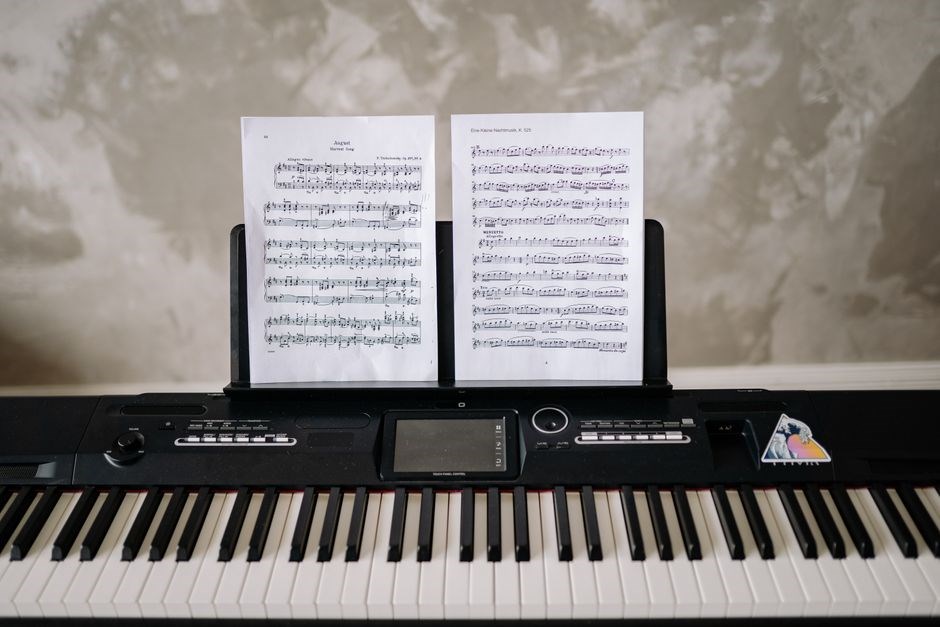
These PDFs are unofficial, derived from Koji Kondo’s original work. They are personal transcriptions by Philip Kim and not authorized by Nintendo. Public performance or distribution may infringe copyright. Use them only for personal practice and avoid commercial use. Seek permission before sharing now.
Unofficial vs Official Scores
While Nintendo has never released an official piano score for the Super Mario Brothers theme, fans have filled the void with a wealth of unofficial arrangements. The most popular of these are the PDF transcriptions created by Philip Kim, who adapted Koji Kondo’s 1985 original for solo piano. Kim’s version is a faithful, note‑by‑note rendering that captures the melodic hook and rhythmic drive of the game’s soundtrack, yet it remains a personal interpretation rather than a sanctioned edition.
Official scores, when they exist for other video‑game pieces, are typically published by the composer’s publisher or a licensed music publisher and come with a printed or digital edition that includes editorial markings, dynamics, and sometimes multiple instrument parts. They are protected by copyright law and require permission for public performance or distribution. Because the Super Mario Brothers theme is still under copyright, any official edition would need Nintendo’s approval, which has not occurred to date.
In contrast, unofficial PDFs such as Kim’s are shared freely on the internet, often under a “fair use” or “personal use” disclaimer. Musicians can download, print, and practice them without legal risk, provided they do not reproduce or sell the material. However, public performances or recordings that are distributed commercially could still infringe on Nintendo’s exclusive rights. Therefore, while unofficial scores offer an accessible way to play the music, they should be treated with the same respect as any copyrighted work.