voyage va-1000 drone manual
Voyage VA-1000 Drone Manual: A Comprehensive Guide
Welcome to the definitive guide for your Voyage VA-1000 drone! This manual details setup, flight, maintenance, and software updates, ensuring safe and optimal performance.
The Voyage VA-1000 represents a significant leap in drone technology, offering both novice and experienced pilots a versatile and powerful aerial platform. This drone is designed for capturing stunning aerial photography and videography, alongside providing a robust and reliable flying experience. Keeping your software updated is crucial for optimal performance and accessing the latest features.
Regularly checking for firmware updates – easily located via computer connection and browser download history – ensures compatibility and stability. Resources like CNET Download and TechSpot Downloads offer a wealth of software options, but always prioritize official Voyage updates. Understanding the importance of these updates, and knowing how to install them, is fundamental to enjoying your VA-1000 to its fullest potential.
Unboxing and Component Checklist
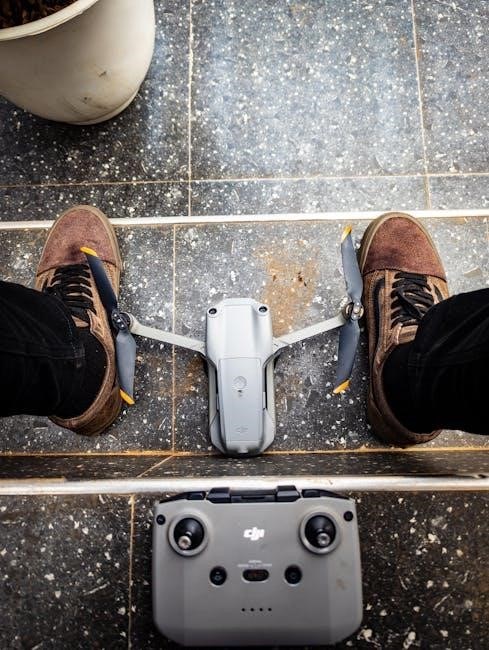
Carefully unpack your Voyage VA-1000 and verify all components are present. Your package should include the drone itself, the remote controller, an intelligent flight battery, a set of propellers (and spares!), a battery charger, and the necessary connecting cables. Don’t forget the quick start guide!
Inspect each item for any visible damage sustained during shipping. If anything is missing or appears faulty, immediately contact Voyage customer support. Proper organization of these components, similar to managing downloaded files in your ‘Downloads’ folder, is key. Remember to regularly check for software updates – often found through browser download history – to ensure optimal drone functionality. A well-organized setup contributes to a safer and more enjoyable flying experience.
Setting Up Your VA-1000
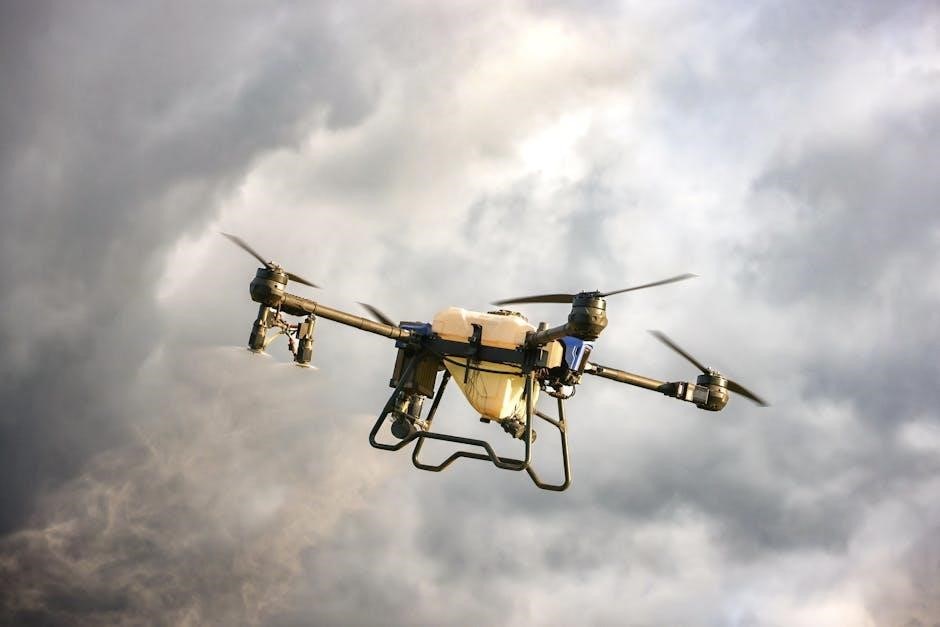
Prepare for flight! This section guides you through charging the battery, installing propellers, and connecting the remote controller for seamless operation.
Charging the Drone Battery
Proper battery care is crucial for optimal flight performance and longevity. Before your first flight, and after each use, fully charge the VA-1000’s intelligent flight battery. Use only the provided charger to avoid damage. Connect the battery to the charger and plug it into a standard wall outlet.
The battery’s LED indicators will display the charging progress. Typically, a blinking indicator signifies charging, while a solid indicator denotes a full charge. Avoid overcharging; disconnect the battery once fully charged. Charging time varies, but generally takes between 60-90 minutes.
Important safety note: Never leave a charging battery unattended. Do not charge the battery in direct sunlight or extreme temperatures. Regularly inspect the battery for any signs of damage, such as swelling or leakage, and discontinue use if any are observed.
Installing the Propellers
Correct propeller installation is vital for stable flight. The Voyage VA-1000 utilizes self-tightening propellers, distinguished by markings indicating their correct motor positions. Match the propeller’s color and shape to the corresponding motor arm. Ensure the propellers are securely fastened; a slight clockwise rotation should tighten them.
Important: Always inspect propellers before each flight for cracks, bends, or damage. Damaged propellers must be replaced immediately. Incorrectly installed or damaged propellers can lead to instability and potential crashes.
To remove propellers, gently press down and rotate counter-clockwise. When installing, align and rotate clockwise until snug. Never use excessive force. Regularly check propeller tightness before each flight to guarantee safe operation and optimal performance of your drone.
Connecting the Remote Controller
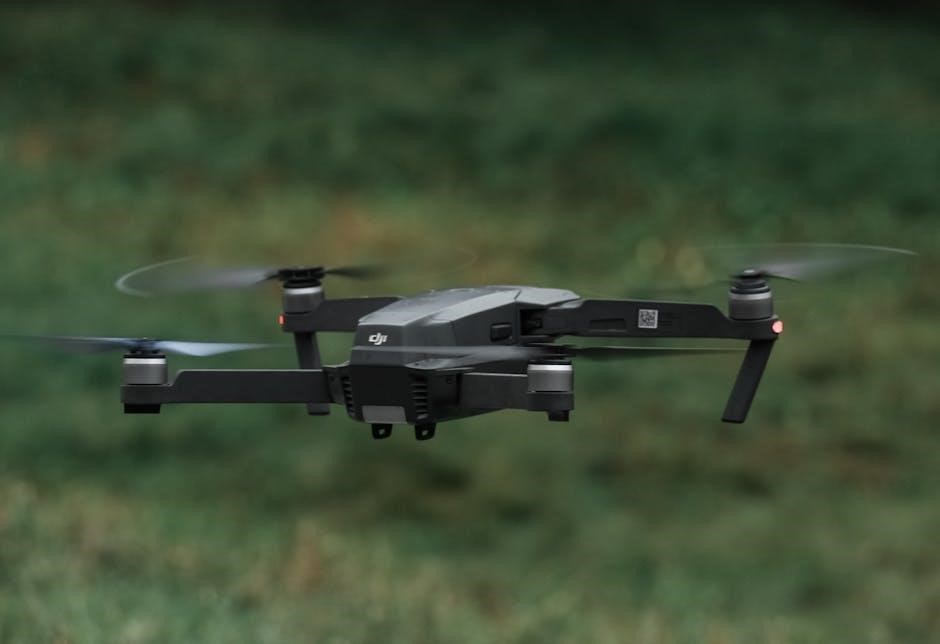
Establishing a secure connection between the remote controller and the Voyage VA-1000 is crucial. Power on the remote controller by pressing and holding the power button until the LED indicators illuminate. Next, power on the drone. The remote controller will automatically attempt to connect to the drone via a secure wireless link.
Confirmation: A successful connection is indicated by solid LED lights on both the remote and the drone. If the connection fails, ensure both devices are within range and free from interference. Refer to the troubleshooting section if issues persist.
Download the companion app for enhanced control and firmware updates. Regularly check for updates to maintain optimal performance and connectivity. A stable connection ensures safe and responsive flight control.
Flight Controls and Operation
Mastering the Voyage VA-1000’s controls unlocks its full potential. Learn basic maneuvers, explore advanced flight modes, and prioritize safe, controlled operation.
Understanding the Remote Controller Layout
Familiarizing yourself with the remote controller is crucial for successful flight. The Voyage VA-1000’s controller features dual control sticks; the left stick manages altitude and rotation, while the right controls forward/backward and left/right movement.
Key components include the power button, return-to-home (RTH) button, photo/video capture buttons, and gimbal control dials. Multiple status indicators display battery life, GPS signal strength, and flight mode.
Customizable buttons allow for personalized control schemes. The controller also incorporates a smartphone/tablet holder for utilizing the companion app, providing a first-person view (FPV) and access to advanced settings. Understanding each element ensures precise control and a safe flying experience.
Basic Flight Maneuvers (Takeoff, Landing, Hovering)
Mastering basic maneuvers is fundamental to piloting the Voyage VA-1000. For takeoff, ensure a clear, level surface and initiate the motors using the designated control. Gently increase throttle to ascend vertically. Landing requires a slow, controlled descent, minimizing throttle until touchdown.
Hovering involves maintaining a stable altitude and position using subtle stick adjustments. Practice smooth, coordinated movements to avoid drifting. Utilize GPS mode for assisted stabilization, especially for beginners.
Always perform these maneuvers in an open area, away from obstacles. Prioritize slow, deliberate actions for optimal control and a safe, enjoyable flight experience with your drone.
Advanced Flight Modes (GPS Mode, ATTI Mode)
The Voyage VA-1000 offers distinct flight modes for varied conditions. GPS Mode utilizes satellite signals for precise positioning, automatic return-to-home functionality, and stable hovering – ideal for beginners and aerial photography. It provides enhanced safety and ease of control.
ATTI (Attitude) Mode disables GPS, relying solely on the drone’s internal sensors. This mode offers greater maneuverability but requires more pilot skill, as the drone won’t automatically maintain position.
Understanding the nuances of each mode is crucial for safe and effective flight. Practice transitioning between modes in a controlled environment to build proficiency and adapt to different scenarios.
Camera and Gimbal Settings
Optimize your aerial footage! This section covers adjusting resolution, frame rates, gimbal calibration, and understanding photo/video settings for stunning results.
Adjusting Camera Resolution and Frame Rate
Fine-tuning your camera settings is crucial for achieving professional-quality aerial footage. The Voyage VA-1000 offers a range of resolutions, from 1080p for efficient storage to 4K for incredibly detailed imagery. Higher resolutions demand more storage space and processing power.
Frame rate (fps) dictates the smoothness of your video. 24fps provides a cinematic look, while 30fps is standard for general use. For slow-motion effects, consider 60fps or 120fps. Remember, higher frame rates also increase file size.
Access these settings through the drone’s companion app or the remote controller’s interface. Experiment with different combinations to find what best suits your shooting conditions and desired aesthetic. Always prioritize sufficient lighting for optimal image quality, regardless of resolution or frame rate.
Gimbal Calibration and Control
Maintaining a stable and smooth video feed relies heavily on proper gimbal calibration. The Voyage VA-1000’s gimbal utilizes advanced stabilization technology, but periodic calibration is essential for optimal performance. Access the calibration function through the drone’s companion app.
Calibration typically involves placing the drone on a level surface and initiating the process. Follow the on-screen prompts carefully. Recalibration is recommended after firmware updates or if you notice jerky or unstable footage.
Gimbal control allows you to adjust the camera’s tilt and pan remotely. Utilize these controls to frame your shots precisely. Explore the app’s settings for customizable gimbal responsiveness and speed. Ensure the gimbal is unobstructed for full range of motion.
Understanding Photo and Video Settings
The Voyage VA-1000 offers a comprehensive suite of photo and video settings for creative control. Adjusting resolution and frame rate directly impacts file size and video quality. Higher resolutions (e.g., 4K) provide greater detail, while higher frame rates (e.g., 60fps) enable smoother motion;
Explore different shooting modes, including single shot, burst mode, and time-lapse. Experiment with ISO settings to balance brightness and noise. Understanding white balance is crucial for accurate color representation in varying lighting conditions.
Video settings include options for encoding (e.g., MP4) and bitrate. Higher bitrates result in larger files but preserve more detail. Familiarize yourself with these settings to achieve your desired aesthetic and optimize storage space.
Maintenance and Troubleshooting
Regular maintenance ensures optimal performance. Inspect propellers, care for the battery, and address common flight issues promptly for a safe, reliable experience.
Drone Battery Care and Maintenance
Maximizing your Voyage VA-1000’s battery life is crucial for extended flight times and longevity. Always fully charge the battery before each flight, and avoid completely draining it, as this can reduce its lifespan. Store batteries in a cool, dry place, away from direct sunlight and extreme temperatures.
Never leave batteries charging unattended, and disconnect them immediately once fully charged. Inspect batteries regularly for any signs of damage, such as swelling or leakage. If damage is detected, discontinue use immediately and dispose of the battery responsibly, following local regulations.
Utilize the drone’s battery health monitoring features within the companion app to track battery performance and identify potential issues. Proper battery care significantly impacts the overall reliability and enjoyment of your Voyage VA-1000.
Propeller Replacement and Inspection
Regularly inspecting and replacing propellers is vital for safe and efficient Voyage VA-1000 operation. Before each flight, carefully examine propellers for cracks, chips, or bends. Damaged propellers must be replaced immediately to prevent instability and potential crashes.
When replacing propellers, ensure you use the correct type and orientation, as indicated by markings on both the propeller and the motor arms. Securely tighten the propellers, but avoid over-tightening, which could damage the motor or propeller mount.
Keep a spare set of propellers readily available. Consistent inspection and timely replacement contribute significantly to flight stability and overall drone performance, ensuring a safe flying experience.
Troubleshooting Common Flight Issues
Encountering flight issues with your Voyage VA-1000 is sometimes unavoidable. If the drone exhibits unstable hovering, recalibrate the compass and IMU. For unresponsive controls, verify the remote controller’s connection and battery level. If the drone drifts excessively, ensure GPS signal strength is adequate and consider switching to ATTI mode in calm conditions.
Should the drone fail to return to home, check for signal interference and ensure the home point is correctly set. If experiencing camera issues, confirm proper gimbal calibration and SD card functionality.
Regular software updates often address known bugs. Prioritize safety; land immediately if a critical issue arises.
Software Updates and Downloads
Keep your Voyage VA-1000 performing optimally! Regularly check for firmware updates via computer connection, or by reviewing your browser download history.
Locating and Downloading Firmware Updates
Ensuring your Voyage VA-1000 has the latest firmware is crucial for optimal performance and stability. Begin by visiting the official Voyage website’s support or downloads section. Look for a dedicated area for the VA-1000 model.
Firmware updates are typically released to address bugs, improve flight characteristics, and introduce new features. The website will usually list the latest version number and a changelog detailing the improvements. Download the firmware file to a known location on your computer – the Downloads folder is recommended.
If you’re having trouble locating the download, check your browser’s download history (often accessed by pressing Ctrl+J). Remember to verify the file’s integrity after downloading to ensure it wasn’t corrupted during the process.
Installing Updates via Computer Connection
To install the firmware update, connect your Voyage VA-1000 to your computer using the provided USB cable. Ensure the drone is powered on but remains stationary. Launch the Voyage companion app or dedicated update utility on your computer – instructions will be available on the official website.
The software should automatically detect the connected drone. Follow the on-screen prompts to initiate the update process; Do not disconnect the drone during the update! Interrupting the process could potentially brick the device.
The update utility will typically display a progress bar. Once completed, the drone will usually reboot automatically. Verify the successful installation by checking the firmware version in the drone’s settings menu within the app.
Checking Browser Download History for Updates
If you’re unsure where firmware updates downloaded from the Voyage website are located, your browser’s download history is a valuable resource. Most browsers, like Chrome, Edge, Firefox, and Opera, offer quick access via the shortcut Ctrl + J. This opens a list of recently downloaded files.
Locate the Voyage VA-1000 firmware update file – it will likely be a .zip or .exe file. Note the download location; this is where the file is stored on your computer. If you can’t find it, your browser’s settings may direct downloads to a default “Downloads” folder.
Remember to periodically check your download history to ensure you haven’t missed any critical updates for your drone’s optimal performance and safety.
Safety Guidelines and Regulations
Prioritize safety! Always perform pre-flight checks, understand local drone regulations, and adapt flying practices to diverse environments for responsible operation.
Pre-Flight Safety Checks
Before each flight, a thorough pre-flight check is crucial for safe operation. Begin by visually inspecting the drone for any physical damage, paying close attention to the propellers for cracks or chips. Ensure the battery is fully charged and securely fastened.
Calibrate the compass according to the instructions, avoiding areas with magnetic interference. Verify that the propellers are correctly installed and tightened. Confirm the remote controller has sufficient battery life and is properly linked to the drone.
Check the surrounding airspace for obstacles, people, and other aircraft. Review the flight area for any restrictions or no-fly zones. Finally, confirm GPS signal strength is adequate before initiating takeoff. A diligent pre-flight routine minimizes risks and maximizes flight enjoyment.
Understanding Drone Flight Regulations
Responsible drone operation requires adherence to local and national flight regulations. Familiarize yourself with the rules set forth by aviation authorities in your region, such as the FAA (Federal Aviation Administration) in the United States. These regulations often cover altitude limits, proximity to airports, and restricted airspace.
Registration of your drone may be required depending on its weight and intended use. Always maintain visual line of sight with your drone during flight. Avoid flying over crowds, private property without permission, or near emergency situations.
Respect privacy concerns and refrain from recording individuals without their consent. Staying informed and compliant ensures safe and legal drone operation.
Flying in Different Environments
The Voyage VA-1000 is versatile, but environmental factors significantly impact flight performance. In open areas, GPS mode provides stable hovering and precise positioning. However, near tall buildings or dense foliage, GPS signal can be obstructed, necessitating ATTI mode for manual control.
Wind conditions are crucial; strong winds can affect stability and battery life. Avoid flying in rain or snow, as moisture can damage the drone’s electronics. Temperature extremes also impact battery performance – cold weather reduces capacity.
Always assess the environment before takeoff, considering potential obstacles and signal interference. Prioritize safety and adjust flight parameters accordingly.
Advanced Features and Customization
Unlock the VA-1000’s full potential! Explore intelligent flight modes, personalize remote controller settings, and enhance control via the companion app for a tailored experience.
Intelligent Flight Modes (Follow Me, Orbit Mode)
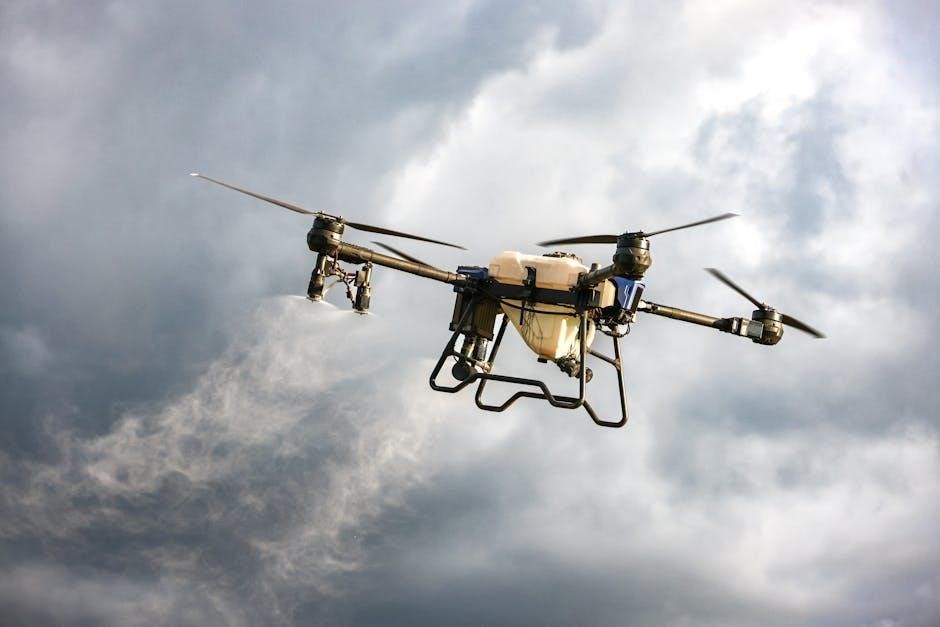
Follow Me Mode allows the VA-1000 to autonomously track a selected subject, keeping the camera focused on them as they move. Activate this mode through the companion app, ensuring a strong GPS signal for reliable tracking. Adjust tracking sensitivity to suit your environment and subject’s speed.
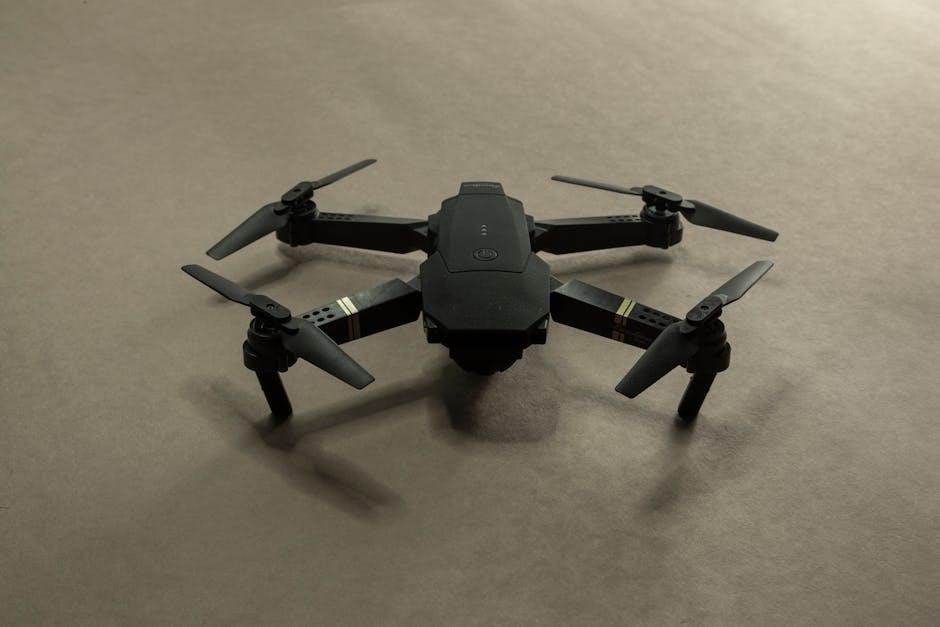
Orbit Mode enables the drone to circle a designated point of interest, capturing stunning 360-degree footage. Set the orbit radius and direction within the app, and the VA-1000 will maintain a consistent circular path. This is ideal for showcasing landscapes or creating dynamic cinematic shots. Remember to maintain visual line of sight and be aware of surrounding obstacles during operation of these modes.
Experiment with these features to elevate your aerial videography and photography!
Customizing Remote Controller Settings
Personalize your flight experience by tailoring the VA-1000 remote controller settings. Access the customization menu through the companion app, allowing adjustments to stick sensitivity, control responsiveness, and button assignments. Fine-tune these parameters to match your flying style and preferences for precise control.
Adjustable stick sensitivity impacts how quickly the drone responds to your inputs. Lower sensitivity provides smoother, more deliberate movements, while higher sensitivity enables faster, more agile maneuvers. Reassigning button functions can streamline your workflow, placing frequently used commands within easy reach.
Save multiple profiles to quickly switch between configurations for different flying scenarios. Experiment to find the optimal setup for your needs!
Using the Companion App for Enhanced Control
Unlock the full potential of your Voyage VA-1000 with the dedicated companion app! This powerful tool extends control beyond the remote, offering features like intelligent flight modes, real-time telemetry data, and advanced camera settings. Download the app from your device’s app store for seamless connectivity;
Monitor critical flight information, including battery voltage, GPS signal strength, and altitude, directly on your smartphone or tablet. Utilize the app to plan flight paths, set waypoints, and activate automated flight modes like Follow Me and Orbit.
Access advanced camera controls, adjusting resolution, frame rate, and white balance with ease. The app also facilitates firmware updates and provides access to a comprehensive support library.